Fear of Haemorrhoids Surgery keeps many Kenyans away:Coast general tests a neww approach
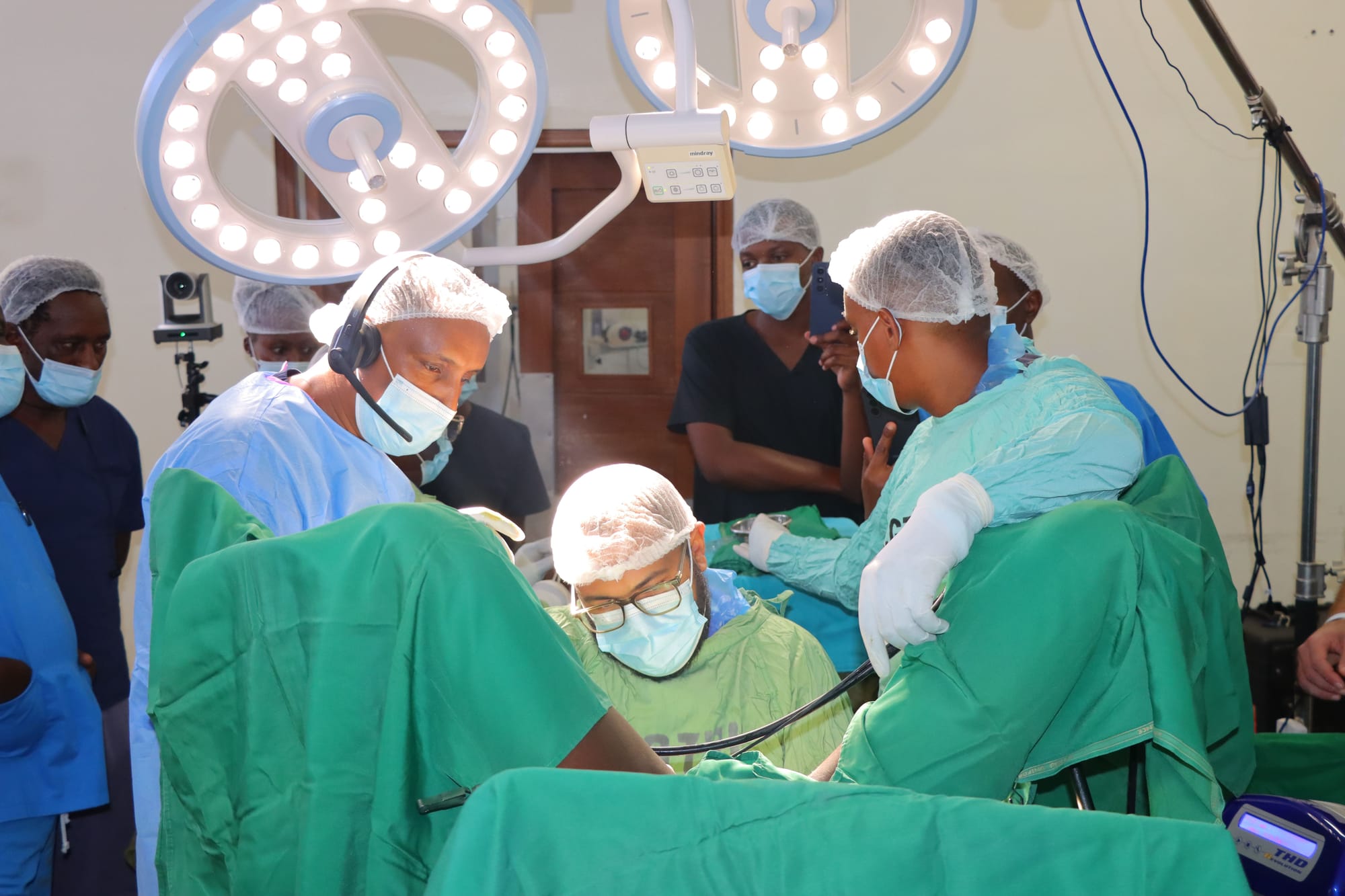
For years, many Kenyans living with haemorrhoids have quietly endured pain, bleeding and discomfort rather than seek treatment. Fear of painful surgery, long hospital stays and weeks away from work has kept many patients from walking into hospital theatres, even when the condition severely affects daily life.Now, doctors at Coast General Teaching and Referral Hospital say a new minimally invasive procedure could begin changing that reality in Kenya’s public hospitals.In what the hospital describes as the first successful use of the Transanal Haemorrhoidal Dearterialization (THD) system in a Kenyan government hospital, surgeons used Doppler-guided technology to treat haemorrhoids without cutting away large sections of tissue — a method that can allow some patients to return home the same day instead of remaining admitted for days after conventional surgery.“This is not just about introducing a new machine,” said Dr. Walid Abdulla, who led the procedure alongside Dr. Abdi Hakeem and Dr. Omar Ramadhan. “It is about reducing pain, shortening recovery time and making treatment less frightening for patients who have delayed seeking care.”
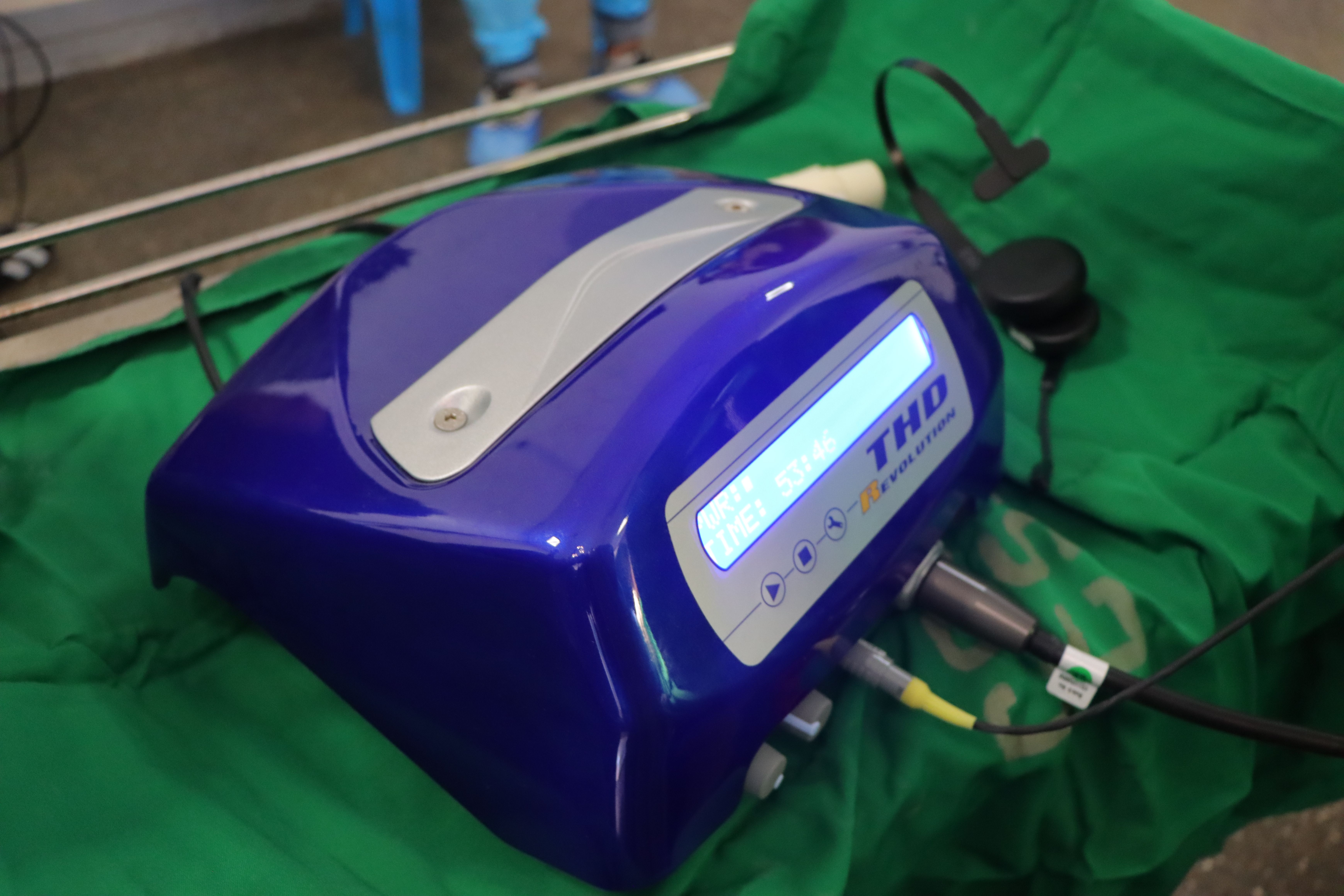
Haemorrhoids are swollen blood vessels in the rectum or anus, are among the most common anorectal conditions globally. Studies estimate that up to half of adults experience symptoms at some point in their lives, though many never seek formal treatment because of stigma or fear of surgery. In Kenya, public hospitals regularly handle patients with advanced cases complicated by chronic pain, bleeding or infection.Traditional haemorrhoid surgery, while effective, is often associated with significant postoperative pain because it involves removing sensitive tissue around the anal canal. Recovery can take weeks, and some patients require prolonged admission and pain management.The THD system takes a different approach. Using a Doppler probe, surgeons identify the arteries supplying blood to the haemorrhoids and tie them off internally through small targeted sutures. Because the surrounding tissue is largely preserved, patients generally experience less pain and faster recovery.In practical terms, doctors say the difference can be dramatic: instead of waking up to large dressings and days of discomfort, patients may leave hospital within hours and resume normal activities far sooner.The successful procedure at Coast General also highlights a larger issue facing Kenya’s overstretched public health system: surgical congestion.In busy referral hospitals, long admissions for routine surgical conditions can consume beds, staff time and theatre resources. Technologies that shorten recovery periods could help ease pressure on facilities already dealing with high patient volumes and limited capacity.
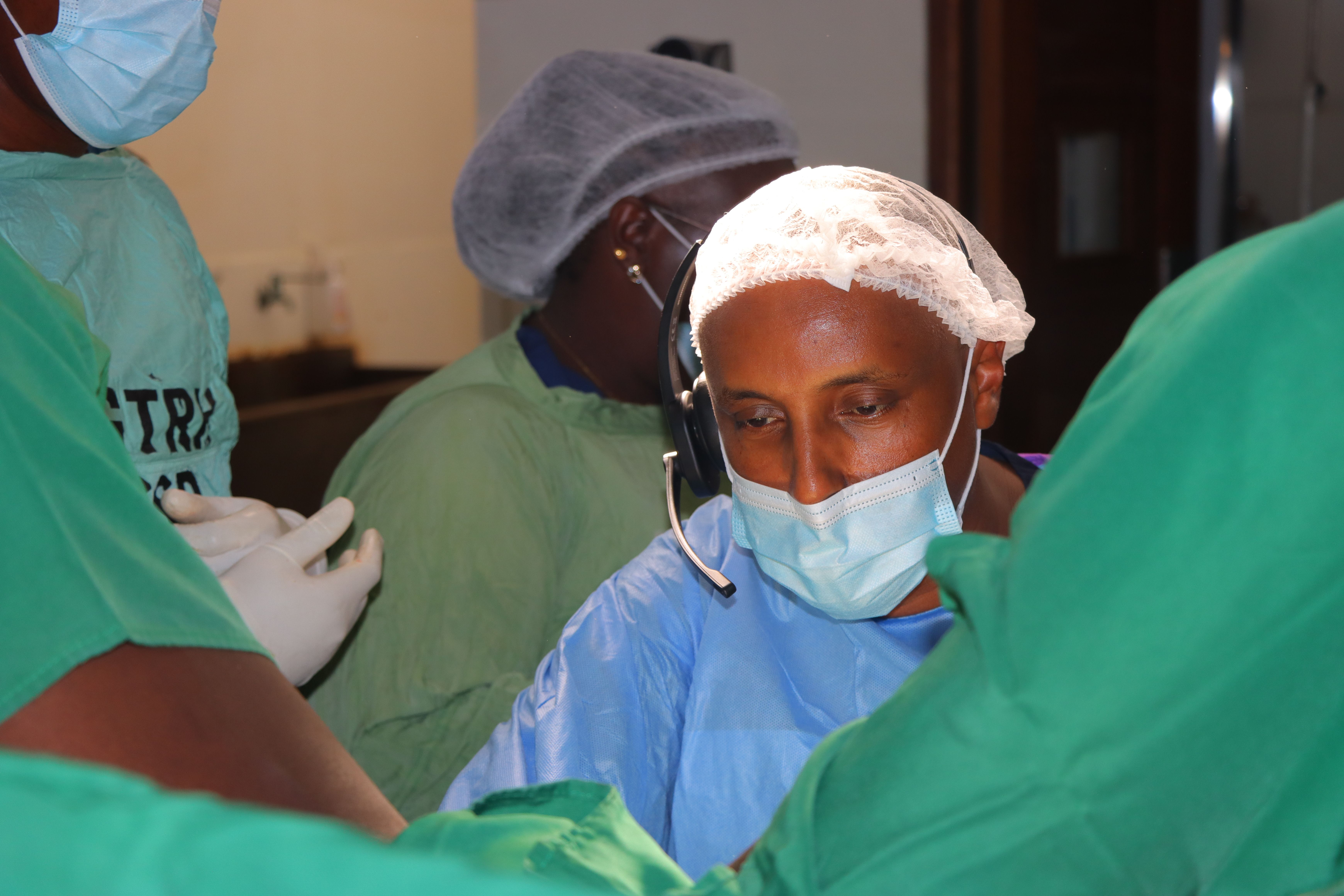
Healthcare analysts say that matters because common surgical conditions are rarely viewed as system-wide efficiency problems, even though they quietly occupy significant hospital resources.Still, independent medical experts caution that one successful case does not automatically prove long-term effectiveness across all settings. Wider adoption would require larger patient numbers; cost analysis, surgeon training and long-term follow-up data comparing THD outcomes against conventional haemorrhoid surgery in Kenyan public hospitals.Questions also remain around affordability and scalability. Advanced minimally invasive technologies can be expensive to introduce and maintain, particularly in county facilities operating under budget constraints.Even so, the Coast General case is being viewed by clinicians as an important early test of whether modern proctologic care can be integrated into government-run hospitals without limiting access to patients who can afford private treatment.The procedure was conducted in collaboration with Penta Prism Medical Africa Ltd and a specialized THD technical team, with clinical documentation now being prepared for wider professional review.For patients who have spent years avoiding treatment out of fear, the significance may be simpler than policy debates or surgical innovation.It could mean finally seeking care and walking out of hospital the same day.